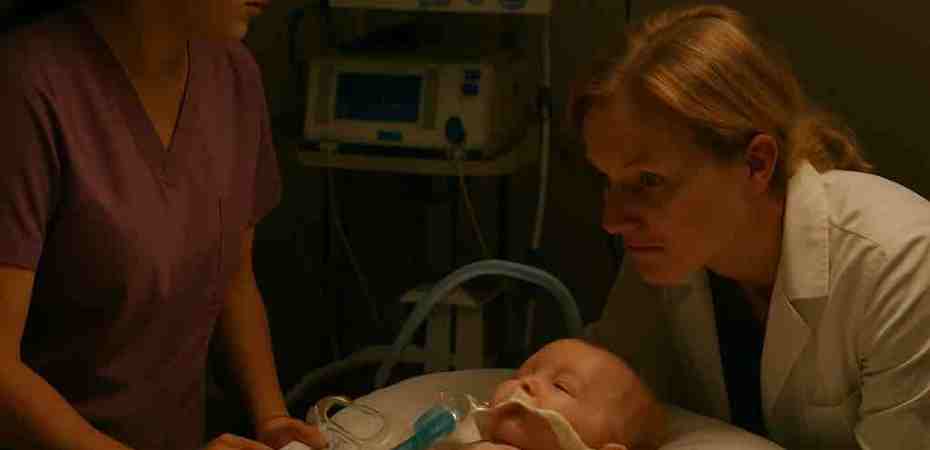
“We’re going to try something different… I’m not sure how it’ll go, but I’m going to sit here by your side while we do it. Let’s turn off the paralysis.” – My Neonatology Attending to the Bedside Nurse
Training at quaternary referral centers has given an endlessly unique experience to my perspective of Medicine. From my training in Texas to the MidWest, I have seen the rarest of diagnoses and diseases present at our doorstop or sent to us from scores to hundreds of miles away for more “expert” opinion. As such, I have been put into situations along with my attending mentors that 99% of the world will never be in, with rarities of literally 1 in thousands to millions. For the above situation, a patient with one of the rarest anomalies/malformations of the airway (which I have limited details on for privacy) had been electively put under pharmacologic paralysis per multidisciplinary discussion with the ENT surgeons. We were worried that not staying paralyzed would sacrifice the small ability we had to ventilate and keep the baby alive – any slight movement of this breathing tube, and there was a chance we would lose our control, a high chance of death. However, that night, after a videoscope of the airway had confirmed this fatal diagnosis seen in 1 per 50,000 or less of patients, we had run into difficulties that even paralysis couldn’t help. We were stuck in a deep and dark place of contemplating if this was the end of the line.
As I stared motionlessly at the monitors, the ventilator and the labs, trying to think of what troubleshooting I could do, I will never forget as my Attending crouched down at the bedside and stared at the baby. For what seemed like hours, she would move the breathing tube slightly from one position to another, or the baby from side to side, and change the ventilator settings as she silently watched to see what would happen. Eventually, after a long pause without improvement, she suggested a precarious move, and we turned the paralysis completely off…
*****
I have always been hopefully humble enough to admit that I don’t know everything – once one does, as an old adage goes, shouldn’t they quit afterall? Yet, I realized that night that part of my personal institution that has been fundamental to my life has been sometimes lost of focus. That night Dr. M brought me back to that foundation, as she has since then multiple times, to the most important part of medicine: listen to the patient.
The world of Pediatrics is different than Adults. My patients can’t always tell me what’s bothering them or what they need. Subspecializing into the world of Neonatology, even beyond the non-edentulous older kids I saw in the past, the ability to whisper to my patients has become particularly special and infinitely more critical. They tell you in medical school and residency training that 80-85% of diagnoses can be obtained from taking an accurate History and performing a detailed Physical Exam. I was privileged to train in New Orleans where some of the Greats of medicine honed in on these skills more than others. During the times of Hurricane Katrina, my mentors had taken to the streets with limited laboratory assessments or imaging machines, to treat and care for those in need. These days, obtaining an X-ray for concerns of a pneumonia is instantaneous; but, I learned from those that could alone tap on someone’s back with their fists (a lost art called ‘percussion’) and make the diagnoses.
As medicine becomes increasingly reliant on technology, the art of listening to our patients has changed. It is not superfluous, even if our fancy modern world, at least in the US, might make us think. It isn’t always the spoken word, and so many can not speak into words what they’re feeling or don’t have the ability to, like my current patient population. Particularly in intensive care situations, the process is slightly different with the use of technology being much more significant, especially in the patients that require more significant interventions due to worse clinical status, but the ability to listen should never be taken for granted and never forgotten. In the 12-13 years I have spent in medical training/work at the time I write this post, I have learned over time and been brought back to the heart of medicine as being able to see into the soul and through the shell of the humans I care for, which takes much more understanding than a machine or bloodwork can do.
*****
The words that Dr. M has impressed upon me now on multiple occasions are the most etched into my soul, “You give the baby everything you can if you need to, but then you just have to listen. Just listen to the baby and they’ll tell you what they need.” Shortly after we discontinued paralysis, our baby started to breath more spontaneously on their own with continued ventilator assistance; but, it was better, our carbon dioxide levels improved and we survived through the night…
Image Credit: ChatGPT Generated, NOT an actual patient
 The Nomadic Pediatrician